Women's Hormonal Health
Rebalance Hormones Naturally
▶︎ Schedule Hormone Consultation with Kristina Amelong, CCT, CNC
The Truth About Hormones: Why They Go Out of Balance
Hormonal symptoms are among the most common concerns in clinical practice. Women search for answers related to fatigue, weight gain, migraines, irregular cycles, low libido, and mood changes, looking for strategies for balancing hormones that will work for them. While these symptoms are real and often disruptive, the prevailing understanding of hormone imbalance is incomplete.

Hormones do not go out of balance in isolation.
For almost thirty years, I have worked directly with women to understand what is truly driving their hormonal imbalance. I have seen what happens when we look beyond hormones alone and begin addressing the body at the root level. My practice is full of women whose bodies regained rhythm, energy, and stability once the underlying systems were supported correctly.
Hormones rarely go out of balance in isolation. They are not the root problem. They are messengers responding to deeper physiological conditions within the body. From a clinical perspective, meaningful outcomes require shifting the focus away from the hormones themselves and toward the systems that regulate them.
Conventional approaches often center on replacing or suppressing hormones. While this may offer temporary relief, it does not address why the imbalance is occurring. Hormones respond to signals from multiple systems, including nutrient status, metabolic function, stress physiology, and detoxification capacity. When these systems are dysregulated, hormonal patterns shift accordingly.
I can help you understand what your body is doing, why your symptoms are happening, and how to restore balance in a way that lasts.
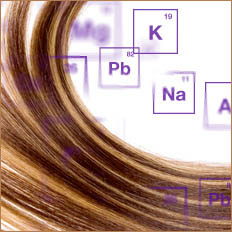
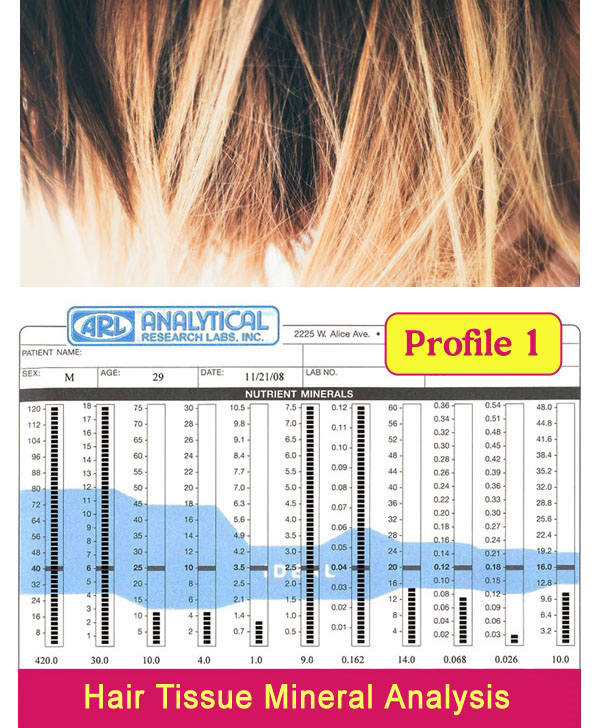
I use Hair Tissue Mineral Analysis (HTMA) to assess patterns related to hormonal health. This tool provides insight into mineral balance, metabolic rate, and adrenal activity, all of which influence endocrine function. Minerals act as cofactors in hormone production and cellular signaling, and imbalances can disrupt the body's ability to regulate itself effectively.
HTMA allows us to see patterns that are often missed in standard testing. These patterns reflect adrenal stress, thyroid activity, and blood sugar regulation. The adrenal glands, in particular, play a central role in hormonal health. When the body is under chronic stress, cortisol patterns shift, and this directly affects reproductive hormones such as estrogen and progesterone, as well as androgens such as testosterone.
Root Causes of Hormone Imbalance
In clinical practice, hormonal imbalance is typically driven by four core factors.
The first is mineral imbalance. Magnesium, zinc, sodium, and potassium are essential for hormone synthesis and signaling. When these minerals are out of balance, the entire endocrine system is affected.
The second is blood sugar dysregulation. Insulin plays a direct role in hormonal signaling. When blood sugar is unstable, it can contribute to disrupted ovulation, increased androgen production, and overall hormonal chaos. Research continues to confirm the close relationship between insulin sensitivity and hormone balance. Hair analysis gives a clear picture of blood sugar regulation and dysregulation.
The third is impaired detoxification in the body. Hormones must be metabolized and eliminated through the liver and gastrointestinal tract. When these pathways are sluggish, hormones such as estrogen can recirculate, amplifying imbalance.
The fourth is adrenal and nervous system stress. The body prioritizes survival over reproduction. When stress is chronic, hormonal rhythms are often disrupted as the body diverts resources toward maintaining basic function.
Hormonal balance and metabolic function are deeply interconnected.
Many women experiencing fatigue, cravings, or difficulty maintaining a healthy weight are also experiencing underlying metabolic and hormonal dysregulation. Calorie restriction alone is often ineffective. Without stabilizing blood sugar and supporting metabolic pathways, the body remains in a state of resistance.
How To Support Your Body To Rebalance Hormones Naturally
Over decades of clinical work, I have developed a hormone protocol designed to support metabolic stability, reduce inflammation, and provide the nutrients required for hormonal signaling. This includes targeted support for B vitamins, omega-3 fatty acids, magnesium, zinc, and key compounds that support detoxification and insulin sensitivity. These interventions are not quick fixes. They are tools that work when combined with a structured nutritional approach and individualized care.

One of the most effective interventions I use is resetting the body's relationship to carbohydrates. A temporary therapeutic approach of lowering carbohydrate intake for a defined period can stabilize insulin signaling, reduce inflammation, and support metabolic function. During this time, the focus shifts to nutrient-dense foods including protein, healthy fats, and non-starchy vegetables, while removing sugar, alcohol, and highly processed foods.
This approach leads to improvements in energy, mood, and overall hormonal rhythm.
Summary
Hormonal imbalance is not a single-system issue. It reflects the integrated function of the endocrine system, nervous system, metabolic pathways, and detoxification processes. A women's holistic hormone health practitioner must look beyond individual hormones and consider the broader physiological terrain.
When mineral balance is restored, blood sugar is stabilized, detoxification pathways are supported, and stress physiology is addressed, the body often regains its capacity to regulate hormones effectively.
Understanding why hormones go out of balance is the first step. From there, the work becomes focused, grounded, and effective. I would love to help you balance hormones and heal your body. Consider doing an HTMA, one of our female hormone panels, or scheduling a consultation with me if you’d like more support.
▶︎ Schedule Hormone Consultation with Kristina Amelong, CCT, CNC
▶︎ View All Mail-In Testing Services
▶︎ Ten Days to Optimal Health: Learn More
DISCLAIMER: The material on this page presented for informational purposes only and is not a substitute for medical advice, diagnosis, or prescribing from a licensed healthcare professional. Consult with your doctor before altering or discontinuing any current medications, treatment, or care, or starting any diet, exercise, cleansing, or supplementation program, or if you have or suspect you might have a health condition that requires medical attention.
By Kristina Amelong, CCT, CNC
I-ACT-Certified Colon Hydrotherapist
Certified Nutritional Consultant