The Real Cause of an Enlarged Prostate: What Most Doctors Miss
Toxins and the Prostate
How Colon Health Affects the Prostate
Coffee Enemas and Liver Detox
Supporting the Prostate through Diet
Introduction
Benign prostatic hyperplasia (BPH), or enlargement of the prostate, affects millions of men as they age. Many men begin experiencing symptoms after age 50: frequent urination, difficulty starting urination, weak flow, and the frustrating feeling that the bladder never fully empties.
Conventional medicine typically treats BPH with medications or surgery. But these approaches rarely address the deeper question:
Why does the prostate become enlarged in the first place?

In my decades working with clients at Optimal Health Network, I have found that prostate problems often arise from three root causes:
- toxin accumulation
- chronic inflammation
- poor circulation and stagnation in the pelvic region
When these underlying issues are addressed, the prostate often responds surprisingly well.
The Prostate Is Extremely Vulnerable to Toxins
The prostate gland sits directly in front of the rectum and acts as a protective filter for sperm.
Because of its location and function, it is especially susceptible to toxins circulating in the blood and tissues.
In today's world we are constantly exposed to environmental pollutants through:
These substances accumulate in the body over time and can contribute to inflammation and dysfunction in many organs — including the prostate.
When prostate cells are bathed in toxins and blood flow is stagnant, the prostate can become inflamed, congested, and enlarged.
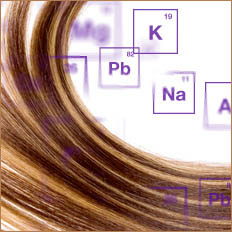
To determine your levels of toxins, consider one or more of the following convenient mail-in tests that we offer our clients:
- Hair Tissue Mineral Analysis
- Timed Urinary Toxic Metals & Elements (TME) Test
- Mycotoxin Panel
Why Detoxification Matters for Prostate Health
Supporting the body's detoxification pathways is one of the most important steps men can take to protect prostate health.
The body detoxifies through several systems:
- liver
- gallbladder
- colon
- kidneys
- lymphatic circulation

When these systems become overloaded, toxins can accumulate in tissues.
Detoxification support may be particularly beneficial for people who experience:
Helping the body remove these toxic burdens can reduce inflammation and restore healthy cellular function.
How Colon Health Affects the Prostate
Few people realize how closely the prostate is connected to colon health.
The prostate sits just in front of the rectum, one of the most toxic areas of the body. When the colon becomes sluggish or congested, toxins can affect nearby tissues.

Constipation allows waste materials — which contain toxins, carcinogens, and harmful microbes — to remain in the colon longer than they should.
If stool is not eliminated regularly, these toxins may be reabsorbed into the bloodstream. Supporting healthy elimination is therefore essential for prostate health.
▶ Natural Constipation Remedies
Coffee Enemas and Liver Detoxification
One method used by many people to support detoxification is the 3-step enema series, which includes a coffee enema as the third step.
Coffee enemas help detoxification in several ways:
- stimulating bile production in the liver
- supporting gallbladder release of bile
- increasing glutathione S-transferase (GST), a key detox enzyme
- helping flush toxins dissolved in bile out of the body
Bile is a digestive secretion that helps digest fats and carries toxins out of the body. When bile flow improves, toxin elimination improves as well.
Many people also use chlorophyll as a binding agent during detox protocols so toxins released during liver detox are bound and removed from the body.
▶ Buy Chlorophyll Products
▶ How To Take an Enema Series
The Role of Glutathione
Glutathione is one of the body's most important detoxification molecules. It helps neutralize harmful compounds and protects cells from oxidative stress.
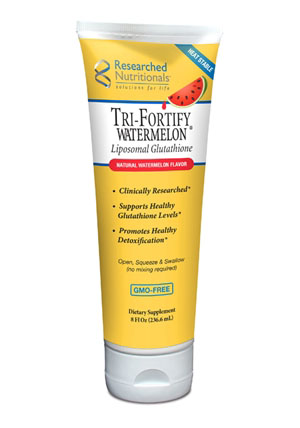
Increasing glutathione levels supports:
- liver detoxification
- immune health
- cellular repair
- protection from environmental toxins
Because modern environmental exposure can deplete glutathione, many detox protocols focus on restoring optimal levels.
Diet and the Enlarged Prostate
Diet strongly influences prostate health.
A diet high in processed foods, sugar, alcohol, and inflammatory ingredients can contribute to prostate inflammation.
In contrast, nutrient-dense foods help reduce inflammation and restore healthy metabolism.

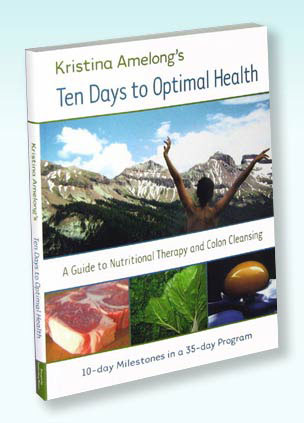
In my book, Ten Days to Optimal Health, I recommend:
- eating protein every 3-4 hours
- consuming healthy fats throughout the day
- eating non-starchy vegetables regularly
- drinking clean water consistently
- avoiding sugar, gluten, alcohol, and pasteurized dairy
These simple dietary shifts can dramatically improve the body's ability to heal.
▶ 10 Foods That Help Support a Healthy Prostate Naturally
The Prostate Can Recover
Many men believe prostate enlargement is an unavoidable part of aging. But the prostate is often remarkably responsive when inflammation and toxic burden are reduced.
By improving diet, supporting detoxification pathways, and restoring circulation, men can often experience meaningful improvements in urinary function and prostate health.
The body has an extraordinary ability to heal when given the right support.
A Whole-Body Approach to Prostate Health
The prostate does not exist in isolation. It reflects the health of the entire body.
When the digestive system, detox pathways, and diet are optimized, many men experience improvements not only in prostate health but also in overall vitality.
Supporting the body's natural detoxification systems and nourishing it with the right foods creates the conditions for healing.
DISCLAIMER: This material is presented for informational purposes only and is not a substitute for medical advice, diagnosis, or prescribing from a licensed healthcare professional. We make no claim or guarantee for cure or relief of any specific symptom, medical condition, or disease when using any of the products or protocols referenced here. Consult with a licensed healthcare professional before altering or discontinuing any current medications, treatment, or care, or starting any diet, exercise, cleansing, or supplementation program, or if you have or suspect you might have a health condition that requires medical attention.
By Kristina Amelong, CCT, CNC
I-ACT-Certified Colon Hydrotherapist
Certified Nutritional Consultant