Men's Hormonal Health:
Why Testosterone and Energy Decline
▶︎ Schedule Hormone Consultation with Kristina Amelong, CCT, CNC
Introduction
Men are increasingly seeking answers for fatigue, low motivation, decreased libido, weight gain, poor sleep, and loss of strength. Many are told this is simply aging or are quickly directed toward testosterone replacement. While testosterone plays an important role in male health, the prevailing understanding of hormonal decline in men is incomplete.

For almost thirty years I have worked with men experiencing these exact patterns, and what I have seen consistently is that testosterone decline is rarely the root problem. It is most often a downstream effect of metabolic, adrenal, and nutritional imbalances that have been building over time. When these underlying issues are addressed, the body often regains its ability to regulate itself.
Testosterone is a messenger.
Testosterone does not exist in isolation. It responds to signals from the brain, adrenal glands, liver, and metabolic system. When those systems are under stress, testosterone levels often decline as a protective adaptation.
This is why simply replacing testosterone does not always resolve symptoms over the long term. The body continues to operate under the same internal conditions that led to the imbalance in the first place. It's important to ask not only how to increase testosterone, but why the body is reducing it.
The HTMA Perspective on Male Hormones
For almost three decades I have used Hair Tissue Mineral Analysis (HTMA) to assess patterns that influence hormonal health. This approach provides insight into mineral balance, metabolic rate, and adrenal function, all of which are central to testosterone production and utilization. Minerals such as zinc, magnesium, and sodium play critical roles in endocrine signaling.
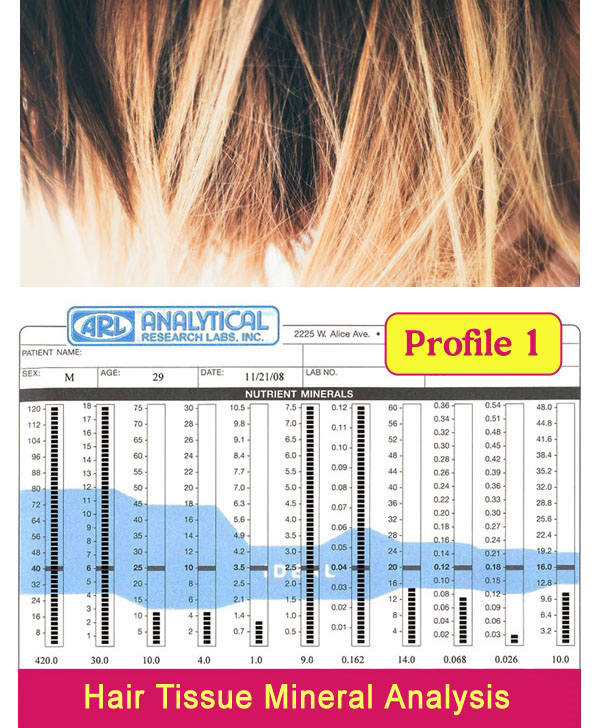
▶︎ Mail-in Hair Testing: Learn More
Imbalances in these minerals can directly affect testosterone production, receptor sensitivity, and energy levels. Research has shown that zinc deficiency is associated with reduced testosterone levels, and supplementation in deficient individuals can help restore levels.
▶︎ Buy Zinc Supplement
Magnesium also plays a role in testosterone bioavailability and metabolic function, particularly in men under physical or metabolic stress.
▶︎ Buy Magnesium Supplement
HTMA also provides a window into adrenal health. In many men, chronic stress leads to altered cortisol patterns, gradually shifting the body into a state where energy is conserved and reproductive hormone production is deprioritized. This is often when men begin to experience fatigue, reduced drive, and changes in body composition.
The Four Core Drivers of Male Hormonal Decline
In clinical practice, the same core patterns appear repeatedly:
- Mineral Imbalance — Zinc and magnesium are essential for testosterone production and utilization. Deficiencies or imbalances can impair both hormone synthesis and cellular response.
- Blood Sugar Dysregulation — Insulin resistance is one of the most significant drivers of low testosterone. Elevated insulin levels can suppress testosterone production and increase fat storage, particularly in the abdominal area. Research has demonstrated a strong association between insulin resistance and reduced testosterone levels in men.
- Impaired Detoxification — The liver plays a key role in hormone metabolism. When detoxification pathways are sluggish, estrogen levels may rise relative to testosterone, contributing to hormonal imbalance.

- Adrenal and Nervous System Stress — Chronic stress elevates cortisol, which competes with testosterone production. Over time, this leads to fatigue, reduced resilience, and hormonal decline. Studies have shown that elevated cortisol levels are associated with suppressed testosterone production.
Testosterone and Metabolic Health
Testosterone is closely tied to metabolic function. Men with low testosterone often experience increased body fat, reduced muscle mass, and decreased insulin sensitivity. At the same time, metabolic dysfunction further suppresses testosterone, creating a cycle that can be difficult to break.
Calorie restriction or excessive exercise alone is rarely effective. Without stabilizing blood sugar and supporting adrenal function, the body remains in a stressed state. These foundational principles are explored in more depth in my book, Ten Days to Optimal Health, where I outline how metabolic stability, nutrient repletion, and detoxification support work together to restore the body's natural regulatory capacity.
A Clinical Approach to Supporting Male Hormones
In my clinical work, supporting male hormonal health begins with restoring metabolic stability and providing the nutrients required for endocrine function. This includes targeted support for B vitamins, omega-3 fatty acids, magnesium, zinc, and key compounds that support detoxification and insulin sensitivity.
These nutrients play essential roles in energy production, hormone signaling, and inflammatory balance. They are not quick fixes, but foundational tools that support the body's ability to regulate itself.

Nutrition and Hormonal Stability
One of the most effective interventions for men is stabilizing blood sugar through dietary changes. This often involves reducing refined carbohydrates while increasing intake of protein, healthy fats, and nutrient-dense foods.
When insulin levels stabilize, the body is better able to support testosterone production and maintain energy levels throughout the day. Men often report improvements in focus, strength, and mood as inflammation decreases and metabolic function improves.
A Whole-System Perspective
Male hormonal health is not defined by a single lab value. It reflects the integrated function of the endocrine system, metabolic pathways, liver function, and the nervous system.
When mineral balance is restored, blood sugar is stabilized, detoxification pathways are supported, and stress is addressed, the body often regains its capacity to produce and regulate testosterone more effectively. At Optimal Health Network, we focus on restoring the systems that regulate hormones rather than overriding them, supporting long-term vitality, resilience, and overall well-being. If you need more support with your hormonal health, consider scheduling a phone consultation or doing an HTMA or Male Hormone Panel.
DISCLAIMER: The material on this page presented for informational purposes only and is not a substitute for medical advice, diagnosis, or prescribing from a licensed healthcare professional. Consult with your doctor before altering or discontinuing any current medications, treatment, or care, or starting any diet, exercise, cleansing, or supplementation program, or if you have or suspect you might have a health condition that requires medical attention.
By Kristina Amelong, CCT, CNC
I-ACT-Certified Colon Hydrotherapist
Certified Nutritional Consultant