Healing From PCOS Naturally
Hormones, Blood Sugar, and a Whole-Body Approach
at Optimal Health Network
How To Lose Weight with PCOS
Supporting Hormonal Balance
OHN Hormone Protocol
Cycling Female Hormone Panel (FHP)
Introduction
Polycystic ovary syndrome (PCOS) is often described as an ovarian condition, but in clinical practice it is rarely just about the ovaries. It is a metabolic condition, an inflammatory condition, and very often an adrenal and thyroid condition as well. Women searching for answers about how to lose weight with PCOS, PCOS and testosterone levels, adrenal gland PCOS, or how to regulate PCOS and menstruation are usually discovering that the issue is more systemic than they were originally told.
PCOS involves disrupted ovulation, irregular or absent periods, elevated androgens such as testosterone, and frequently insulin resistance. Research continues to confirm that insulin signaling and androgen balance are closely linked, with metabolic dysfunction reinforcing hormonal imbalance. For this reason, addressing blood sugar regulation is foundational in any meaningful PCOS protocol.
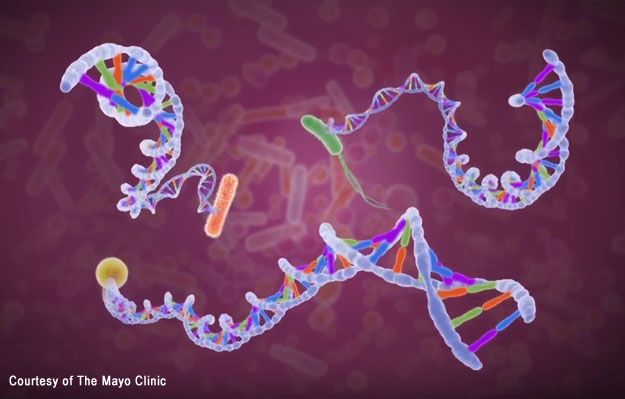
At Optimal Health Network, we approach PCOS as a whole-body endocrine conversation. The ovaries, adrenal glands, thyroid, liver, gut, and nervous system are all participating in that conversation. When one area is stressed, the others compensate. When metabolic stress is reduced, hormonal rhythm often improves. Many women also benefit from evaluating gut health alongside hormone balance, which is why we often recommend comprehensive testing such as our GI Health Panel when appropriate.
▶︎ How the Health of Your Microbiome Supports Your Overall Health
▶︎ Order Mail-in Testing: Gastrointestinal (GI) Health Panel
How To Lose Weight with PCOS: Stabilize First, Then Shift
Many women with PCOS struggle with weight that feels resistant to effort. Traditional calorie restriction approaches often fail because they do not address insulin resistance or chronic inflammation. Research suggests that dietary modification, particularly lowering carbohydrate intake, may improve insulin sensitivity and metabolic outcomes in women with PCOS.
For over twenty years, I have found that many women benefit from resetting their relationship to carbohydrates through a structured therapeutic approach outlined in our Reduce Inflammation and Reset Your Relationship to Sugar and Carbs program:
My general recommendation is to consume approximately 40–80 grams of carbohydrates daily for a minimum of three months. This is not a lifelong prescription but a therapeutic reset. During this time, I encourage generous intake of animal protein, eggs, raw dairy, healthy fats such as coconut oil and avocado, and unlimited non-starchy vegetables. Sugar, gluten, alcohol, and highly processed foods are eliminated entirely during the reset.
This PCOS diet approach reduces inflammatory load, stabilizes blood sugar, and often helps decrease sugar cravings. When insulin stabilizes, weight often begins to shift naturally. More importantly, energy and mood begin to stabilize, which is equally critical in healing PCOS.
▶︎ Learn More about Our Carb Reset Program
PCOS and Testosterone Levels: Supporting Hormonal Balance

Elevated testosterone is one of the most distressing aspects of PCOS for many women. Acne, facial hair growth, irregular cycles, and hair thinning can all reflect androgen imbalance. Insulin resistance is frequently upstream of this pattern. By stabilizing blood sugar and reducing inflammation, we often see gradual improvements in androgen balance.
Omega-3 fatty acids have been studied for their potential to reduce inflammation and improve metabolic markers in PCOS. This is one reason the Optimal Health Network hormone protocol includes Orthomega Fish Oil as part of a broader anti-inflammatory strategy, often paired with therapeutic nutrition and personalized supplement guidance.
▶︎ Buy Orthomega Fish Oil
The Adrenal Glands, PCOS, and Thyroid Function
Many women present with what might be called adrenal gland PCOS. Chronic stress disrupts cortisol rhythms, which in turn influences insulin and sex hormone production. In addition, PCOS and hypothyroidism frequently coexist. When thyroid function is low, metabolism slows, insulin resistance can worsen, and menstrual irregularity may intensify. Lifestyle medicine research increasingly emphasizes the interconnected nature of these endocrine systems.
For this reason, treating ovarian syndrome PCOS in isolation rarely produces lasting results. We support adrenal resilience, thyroid health, gut integrity, and liver function alongside ovarian balance through targeted nutrition, supplementation, and advanced functional testing.
▶︎ Adrenal Fatigue: Learn
▶︎ Hypothyroidism: Learn More
The Optimal Health Network Hormone Protocol
Over decades of clinical work, I have developed a hormone protocol designed to address blood sugar regulation, inflammation, micronutrient deficiencies, and hormonal rhythm simultaneously. This includes Ortho B Complex, Orthomega Fish Oil, Ortho Reacted Magnesium, Ortho Reacted Zinc, Ortho N-Acetyl Cysteine, Ortho Diaxinol, Standard Process Gymnema, Standard Process Chaste Tree, Standard Process Saw Palmetto, and Ortho Vitamin D3 with K2.
Magnesium plays an important role in insulin signaling and glucose metabolism. Zinc supports hormone regulation. N-acetyl cysteine has been studied for its potential role in improving metabolic parameters in PCOS. Vitamin D status is also associated with insulin sensitivity and reproductive health. These supplements are not magic solutions; they are tools that work best when layered onto a stable nutritional foundation and individualized consultation.

▶︎ Order Ortho B Complex
▶︎ Order Ortho Reacted Magnesium
▶︎ Order Ortho Reacted Zinc
▶︎ Order Ortho N-Acetyl Cysteine
▶︎ Order Ortho Diaxinol
▶︎ Order Standard Process Gymnema
▶︎ Order Standard Process Chaste Tree
▶︎ Order Standard Process Saw Palmetto
▶︎ Order Vitamin D3 with K2
PCOS and Regular Periods: Restoring Rhythm
Irregular menstruation is often the symptom that first brings women to seek help. Research supports the role of lifestyle intervention in improving ovulatory function in some women with PCOS. In practice, cycle regularity usually returns gradually. Energy stabilizes first. Cravings lessen. Sleep improves. Then cycles begin to normalize.
Hormonal birth control is sometimes used to regulate bleeding patterns, but it does not necessarily address underlying metabolic dysfunction. There is no universal "best birth control for PCOS." Each woman must weigh symptom management alongside long-term endocrine health and consider comprehensive hormone testing when symptoms persist.
Advanced Hormone Testing: The Cycling Female Hormone Panel
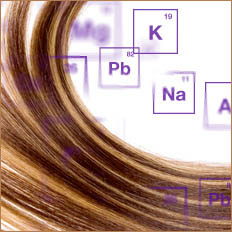
Because hormones fluctuate throughout the menstrual cycle, testing on only one day of the month may not provide a complete picture. This is why Optimal Health Network offers the Cycling Female Hormone Panel (FHP) from DiagnosTechs.

This comprehensive saliva-based testing program evaluates reproductive hormones across the entire cycle using eleven separate samples.
Saliva testing measures hormones in their free, bioavailable state. In blood, many hormones are bound to proteins and are inactive, making it difficult to determine how much is actually available to cells. In saliva, hormones are measured in their active form, providing a dynamic view of hormonal balance.
The Cycling Female Hormone Panel assesses estradiol, progesterone, DHEA, and testosterone throughout the month. Estradiol supports healthy menstrual cycles and fertility. Progesterone prepares the uterine lining for implantation and plays a critical role in cycle regulation. DHEA, produced by the adrenal glands, is a precursor to both estradiol and testosterone. Testosterone supports muscle mass, bone density, metabolism, energy, and libido, but elevated levels may indicate PCOS.
This panel can be particularly helpful for women experiencing irregular or painful periods, infertility, miscarriage, PMS, migraines, acne, low libido, facial hair growth, or suspected PCOS. Collection is noninvasive and painless, and samples can be taken conveniently at home. Rather than offering a single snapshot, this method provides a comprehensive, cycle-wide hormonal map that can guide personalized protocols.
▶︎ Order Mail-in Testing: Cycling Female Hormone Panel (FHP)
A Whole-Body Invitation
Healing from PCOS requires more than managing symptoms. It requires restoring metabolic stability, reducing inflammation, replenishing nutrients, and respecting the emotional terrain that often accompanies hormonal imbalance. Food relationships, stress patterns, sleep rhythms, and micronutrient sufficiency all matter.
At Optimal Health Network, we integrate therapeutic nutrition, targeted supplementation, advanced testing, and personalized consultation to help women move toward balanced hormones and renewed vitality. PCOS is not a life sentence. With the right support and strategy, the body often remembers how to regulate itself.
▶︎ Need more detailed guidance in building your personalized path toward hormonal balance?
Personal Health Consultations with
Kristina Amelong, CCT, CNC
For personalized support with your home health program, I would be happy to assist via a scheduled phone consultation. I charge an affordable $2.50 per minute, for as many or as few minutes as you need!
First complete any relevant sections of my secure online intake form. Upon submitting the form, you will be prompted to schedule a consultation time with me via my online booking system.
If you are an international client who would like to use WhatsApp for your scheduled consultation, you can find me on the app at +1 608-242-0200.
DISCLAIMER: This material is presented for informational purposes only and is not a substitute for medical advice, diagnosis, or prescribing from a licensed healthcare professional. We make no claim or guarantee for cure or relief of any specific symptom, medical condition, or disease when using any of the products or protocols referenced here. Consult with a licensed healthcare professional before altering or discontinuing any current medications, treatment, or care, or starting any diet, exercise, cleansing, or supplementation program, or if you have or suspect you might have a health condition that requires medical attention.
By Kristina Amelong, CCT, CNC
I-ACT-Certified Colon Hydrotherapist
Certified Nutritional Consultant