What Is Candidiasis?
Symptoms, Causes, and Candida Overgrowth Explained
JUMP TO PRODUCTS
What Is Candida? What Is Candidiasis?
Candida albicans is the name of a strain of yeast-like fungus naturally existing in the microflora of most people — in the digestive tract, from the mouth to the rectum, and also in the vagina. In healthy individuals, Candida albicans is normally kept in balance by the immune system and the beneficial microorganisms that make up the gut microbiome.
However, if the relative number of beneficial bacteria decreases, the immune system is weakened, or your biochemistry is otherwise imbalanced, yeast proliferation can occur and give rise to a variety of fungal infections, both locally and systemically. This yeast overgrowth phenomenon is called candidiasis.
Depending on where the overgrowth occurs, candidiasis may affect the mouth (oral thrush), skin, digestive tract, or vaginal tissues.

What Causes Candida Overgrowth?
Potential contributing factors include:
- antibiotic use
- diets high in refined sugars, carbs, and processed foods
- chronic stress
- lack of sleep
- diabetes
- pregnancy
- immune dysfunction
- hormonal changes
Several of these factors are recognized in conventional medicine as increasing susceptibility to Candida infections.
How To Heal From Candida Overgrowth
Kristina Amelong, CCT, CNC, discusses the causes and symptoms of Candida overgrowth (also known as candidiasis), and outlines steps which can be taken to support the body to heal from yeast infections and other consequences of overgrowth. These steps may include dietary changes, targeted essential oil suppositories, taking a regular probiotic, and/or doing Kristina's enema series protocol to deeply cleanse the colon.

Common Symptoms of Candida Overgrowth
Digestive Symptoms:
- bloating
- gas
- digestive discomfort
Oral Symptoms:
- white patches
- oral thrush
- mouth discomfort

Vaginal Symptoms:
- itching
- irritation
- discharge
- frequent yeast infections
Skin Symptoms:
- rashes
- fungal infections
- itching
Recommended Products to Treat Candidiasis Naturally

Candida Suppository Kit — Use 5-10 drops of the OHN Candida Essential Oil Blend in a nightly coconut oil suppository for at least 3-4 weeks.
▶︎ Learn More about Making Suppositories at Home
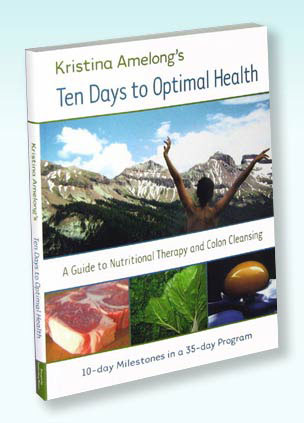
10-Day Diet and Detox Guide — Following a Candida diet is crucial to any Candida healing protocol. Kristina’s 10-Day Diet is a great one to follow while fighting candidiasis.
Colon Cleanse with Enema Series Protocol — Gut health and Candida overgrowth go hand in hand. Doing our 3-step enema series protocol will help restore balance and healthy bacteria to the colon, and keep the Candida bacteria in check.
▶︎ Learn More about the Enema Series
Researched Nutritionals Elim-A-Cand (Microbiome Support) — This targeted herbal tincture supports a healthy microbial balance through multiple mechanisms, helping to eliminate Candida overgrowth.

Ortho Biotic (Probiotic Supplement) — Kristina's top recommended probiotic. At 22 billion CFU per capsule, this is an excellent probiotic to take to help fight Candida overgrowth and restore microbial balance in the gut.
Ortho Mucosagen (Gastrointestinal Support Supplement) — Supports GI barrier health, helps maintain normal inflammatory balance and mucin production in the GI tract, and boosts liver function and detoxification pathways.
Deluxe Candida Healing Kit — Everything you need in one kit! Includes supplies to do the suppositories and colon cleansing with the enema series protocol, plus Ortho Biotic and Ortho Mucosagen.
Testing Service: Gastrointestinal (GI) Health Panel — Maintaining a healthy gastrointestinal system is essential for overall good health. This health panel is a painless, non-invasive screening test of the GI system and its function. Stool and saliva samples are submitted after convenient at-home collection. Test for Candida, parasites, and infectious bacteria, check your gut microflora balance, and more with this comprehensive testing service.
Candida Frequently Asked Questions
How can I test Candida levels in my body?
There are a few different ways to test the body's Candida levels, but I recommend doing a stool test such as our Gastrointestinal Health Panel. This tests for not only yeast and Candida overgrowth in the body, but also assesses your gut's bacteria levels and tests for parasites, gluten antibodies, and markers of digestive function, intestinal inflammation, and mucosal immune function. This is a great panel to take if you are struggling with Candida overgrowth or overall gut health.

What are the best foods to eat on a Candida diet?
Ideally, a Candida diet should primarily consist of non-starchy vegetables, quality proteins, healthy fats, and fermented foods such as sauerkraut, kefir, or kimchi. Learn more about my dietary recommendations here.
What foods should I avoid on a Candida diet?
Sugar encourages the growth of Candida. It's very important that you eliminate all sugar and alcohol from your diet when healing Candida overgrowth. Most people also benefit from limiting gluten and highly processed foods. Learn more about my dietary recommendations here.
The goal of a Candida-supportive diet is not to starve the body of nutrients but to reduce excess sugar intake, support a healthy microbiome, and promote overall digestive health through whole, minimally processed foods.
What happens if I experience Candida die-off symptoms?
For some people, Candida die-off can cause significant, flu-like symptoms. It's extremely important to know how to deal with Candida die-off symptoms before embarking on a Candida healing protocol, so that you have all the necessary tools to complete it successfully. Read more about how to deal with die-off symptoms, depending on their severity, here.
How long can Candida die-off symptoms last? How long does it take to get rid of Candida?
The duration of Candida die-off symptoms can vary depending on the person. For many, symptoms can last anywhere from a couple days to a couple weeks. Most people follow our Candida suppository, colon cleansing, and/or supplement protocol, and the Candida diet, for at least one month.
By Kristina Amelong, CCT, CNC
I-ACT-Certified Colon Hydrotherapist
Certified Nutritional Consultant
▶︎ Need more detailed guidance in overcoming yeast infections?
Personal Health Consultations with
Kristina Amelong, CCT, CNC
For personalized support with your home health program, I would be happy to assist via a scheduled phone consultation. I charge an affordable $2.50 per minute, for as many or as few minutes as you need!
First complete any relevant sections of my secure online intake form. Upon submitting the form, you will be prompted to schedule a consultation time with me via my online booking system.
If you are an international client who would like to use WhatsApp for your scheduled consultation, please email us for instructions on how to contact me at the time of your consultation.


Client Testimonials
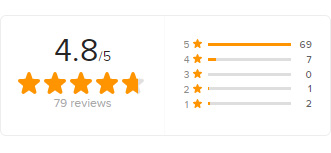
"After years of working on this, I just want people to know that you can't starve Candida out with diet alone. You have to get the Candida under control, in balance with the healthy flora, through the use of antifungal and flora-boosting essential oils. I can't recommend your Candida program enough because it really covers all the bases. And you have been awesome to work with." ~ Tanya Y.
"I didn't believe Candida was a big issue for me. I've been on antibiotics for about two years and the results of the enemas and detoxifying my body have clearly shown me that Candida was one of the main issues. I truly can't believe how I'm feeling this morning. This protocol of the three-step enema series leaves no area unaddressed. Healing my gut is the first and most important step to beginning to get well; I can feel how important and integral it is to wellness from just the past week or so. It makes me want to eat clean, and that's saying a lot, as it has always seemed a chore in the past, but when your brain feels cleaner and clearer, things aren't as much of an issue anymore." ~ Emma R.