What Is Hypothyroidism?
Hypothyroidism, or an underactive thyroid, is one of the most common hormonal disturbances, affecting millions of people of both sexes and of all ages. As many as 1 in 4 people may suffer from some degree of hypothyroidism.
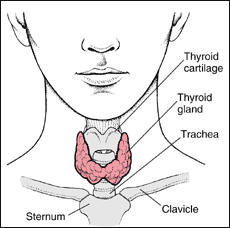
The thyroid gland controls the body's metabolic rate, and is sometimes called the "master of metabolism." It exerts control over many critical functions, including body temperature, digestive enzyme synthesis, hydrochloric acid production, fat and protein synthesis, and synthesis and activity of sex hormones and white blood cells.
▶︎ How Does the Thyroid Gland Work?
Slight imbalances in thyroid function are common and can often be corrected by making simple dietary adjustments. However, some people find it necessary to supplement their diets with thyroid-boosting nutrients and/or to take some form of natural hormonal support.
Certain substances suppress thyroid function. These include fluoride, soy, polyunsaturated fatty acids (PUFAs), and an excess of estrogen or iron. Additionally, a number of foods contain substances called goitrogens which interfere with thyroid function. These foods include raw cabbage, kale, broccoli, cauliflower, Brussels sprouts, and spinach. Cooking inactivates the thyroid-blocking components in these foods. Other foods to limit include nuts, seeds, and pulses. It is unfortunate that the consumption of what is considered by many to be healthy foods, such as fresh raw vegetable juice, may actually promote an underactive thyroid.
▶︎ BUY THYROTAIN FOR THYROID HEALTH
▶︎ BUY OHN THYROID SUPPORT ESSENTIAL OIL BLEND
An excellent way to test for thyroid function is by recording the basal body temperature over a period of several days. This test should be done for 10 minutes before getting out of bed in the morning. Menstruating women should carry out the test for 28 days. (A slight rise in body temperature is normal at menstruation.) A normal reading is between 97.8° and 98.2°F (36.6° to 36.8°C). If the body temperature is normal, everything else will work better.
Temperatures below 97.8°F (36.6°C) may indicate hypothyroidism (an underactive thyroid). Temperatures above 98.2°F (36.8°C) may indicate hyperthyroidism (an overactive thyroid). A combination of this test with other testing procedures would give a more accurate picture of thyroid function, although the results of blood tests are often "normal" because they show only the amount of thyroid hormone circulating in the blood and nothing about how well the thyroid hormones are functioning at a cellular level. Additionally, the loss of 70% of thyroid function may occur before blood tests become abnormal.
Thousands of people have thyroid glands operating at only 10 to 30% of capacity, which greatly affects their quality of life. No wonder so many people suffer from chronic fatigue.
The Optimal Health Network has assisted many people to optimize their health through improving thyroid function. Please contact us for more information.
By Kristina Amelong, CCT, CNC
I-ACT-Certified Colon Hydrotherapist
Certified Nutritional Consultant
Thyroid Health: Hyper and Hypothyroidism, Common Symptoms, and Treatments
Kristina Amelong, CCT, CNC discusses the importance of thyroid health. She explains the difference between hyperthyroidism and hypothyroidism, describes common symptoms of these conditions, and outlines her recommendations for improving thyroid health.
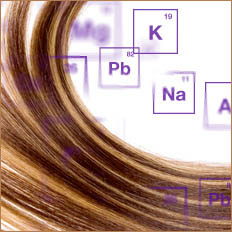
Hair Tissue Mineral Analysis
Dee Dee Delkamp, CCT, CNC, explains that the calcium-to-potassium ratio on a hair tissue mineral analysis (HTMA) indicates how well the thyroid is functioning. If the ratio is low, it indicates that the thyroid has a tendency towards hyperthyroidism (overactivity), which can be supported with herbs and glandular supplements such as ashwaganda, bugleweed and Thytrophin PMG. If the ratio is high, it indicates that the thyroid has a tendency towards hypothyroidism (underactivity), which can be supported with herbs and glandular supplements such as Thyroid Complex, iodine, and ashwaganda.